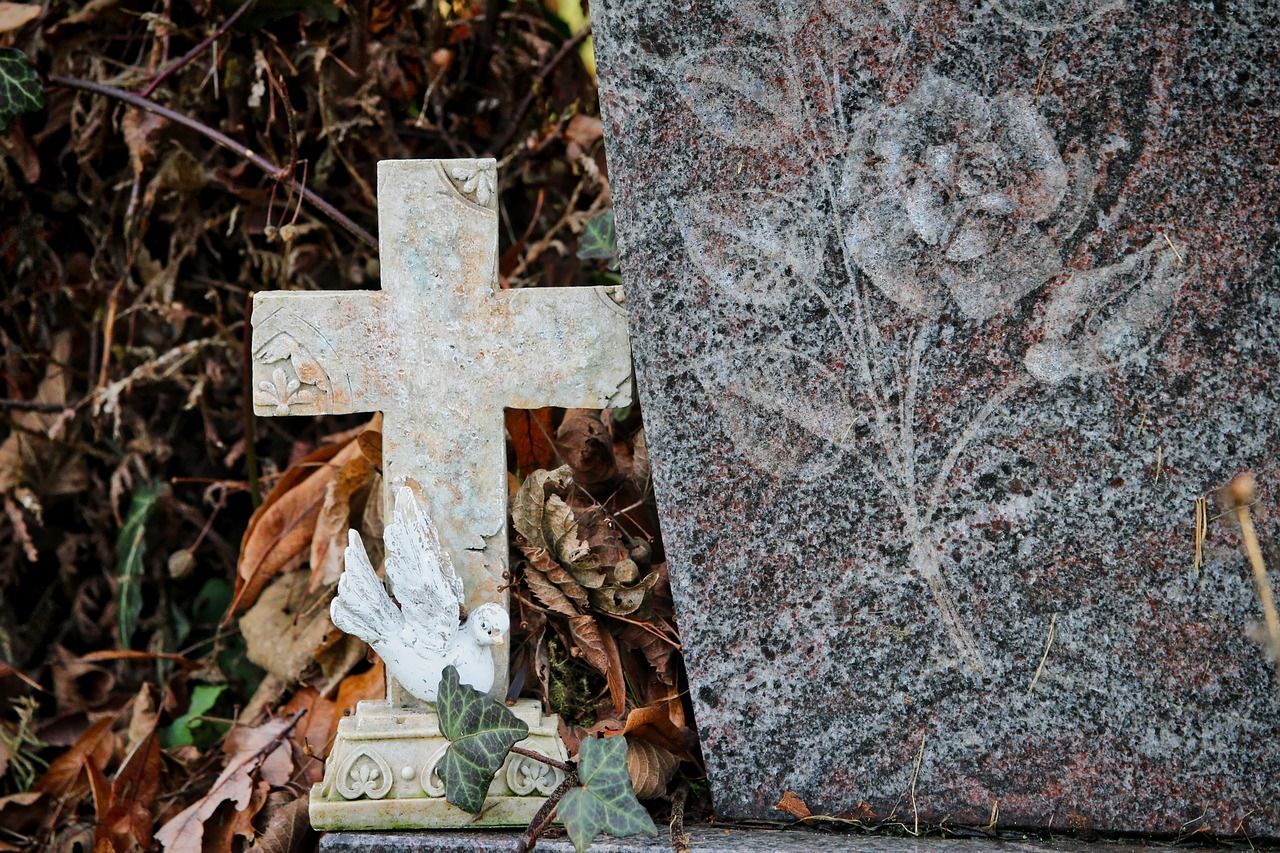
The Role of Funeral Gatherings in Grieving and Celebrating Life

July 9, 2025

In your passage through grief and honoring a life, funeral gatherings offer essential support, comfort, and a chance to cherish memories. These gatherings provide solace and a space for closure, bringing you together with others to honor your loved one's legacy. Creating a nurturing environment allows for open expression and healing connections. By sharing stories and rituals, you celebrate their impact and find solace in a supportive community. Funeral gatherings play a pivotal role in both mourning and celebrating a life well-lived, offering a path to healing and togetherness.


Key Takeaways


- Funeral gatherings provide solace, support, and closure during times of grief.

- They offer a space for honoring the deceased, sharing memories, and fostering family bonding.

- Cultural traditions are upheld to maintain connections and continuity.

- Emotional healing is facilitated through shared experiences, empathy, and understanding.

- Community solidarity, togetherness, and support play a vital role in the grieving process.


Importance of Funeral Gatherings


Understanding the significance of funeral gatherings can provide solace and support during times of grief and remembrance. These gatherings offer a space for closure and reflection, allowing individuals to come together to honor the life of their loved one and find comfort in shared memories. Family bonding is an essential aspect of funeral gatherings, as they bring relatives closer, providing a support system during a challenging time.


Cultural traditions play an important role in funeral gatherings, offering a sense of continuity and connection to one's heritage. These rituals and customs can provide a source of comfort and familiarity, aiding in the healing process. Additionally, the emotional support received from friends and family at these gatherings can be immensely comforting, reminding individuals that they aren't alone in their grief.


Funeral gatherings serve as a significant step in the healing process, allowing individuals to express their emotions, receive support, and begin the path towards acceptance and peace. By coming together to honor and remember the life of a loved one, funeral gatherings create a space for shared grief and collective healing.


Creating a Supportive Environment


To cultivate a nurturing atmosphere during funeral gatherings, emphasize creating a space where individuals can find solace and support as they navigate through their emotions and memories.


Providing solace is crucial during these times of grief. Encourage emotional support by allowing individuals to express their feelings openly and without judgment. Building connections within the group can offer comfort and understanding, knowing that others share similar encounters.


Offering compassion to those in attendance can make a significant difference in how they process their loss. Small acts of kindness and words of empathy can go a long way in creating a supportive environment. It's about coming together to create unity in grief, finding strength in each other's presence.


Encourage sharing stories and memories to celebrate the life of the departed, nurturing a sense of togetherness.


Honoring the Deceased


Create a heartfelt tribute to commemorate the life and legacy of your loved one during the funeral gathering. Personal tributes play a significant role in honoring the deceased, allowing you to express your love, memories, and appreciation.


Sharing stories, poems, or favorite memories can help celebrate their life and the impact they had on those around them.


Incorporating cultural traditions can add a meaningful touch to the tribute, reflecting the beliefs and practices that were important to your loved one.


Whether it's a specific ritual, prayer, or symbolic gesture, these elements can provide comfort and connection to your heritage and the values your loved one held dear.


Symbolic gestures, such as lighting candles, releasing doves, or planting a tree, can serve as powerful symbols of remembrance and eternal love.


These actions can help in expressing emotions and finding solace in the midst of grief.


Engaging in meaningful rituals during the funeral gathering can offer a sense of closure and provide a structured way to navigate the process of saying goodbye.


These rituals can help in acknowledging the loss, accepting the reality of the situation, and starting the path towards emotional healing and closure.


Sharing Memories and Emotions


As you gather with loved ones to commemorate the life of the deceased, sharing memories and emotions becomes a heartfelt way to honor their legacy and find solace in the midst of grief. This act of memory sharing and reflecting together creates an atmosphere of emotional healing where personal stories intertwine to celebrate the life that once graced your shared existence. Through this process, a supportive atmosphere emerges, allowing each individual to express their feelings and reminisce about the moments that shaped their connection with the departed.


  Benefits of Sharing
   Memories and Emotions                                                     Description   
 

--------------------------------------|-------------------------------------------------------------------------------------------------------

        Emotional Healing                 Sharing emotions fosters healing and provides a sense of release. 

         Memory Sharing             Recalling shared memories helps in cherishing the moments spent together. 

       Reflecting Together              Reflecting as a group strengthens the bond and offers mutual support. 

    Supportive Atmosphere         Creating a safe space where individuals can freely express themselves. 


In this environment of mutual understanding and empathy, the act of sharing memories and emotions not only pays tribute to the life that has passed but also nurtures the bonds that tie the living together. It is through these personal stories interwoven with emotions that the beauty of remembrance and honoring the legacy of the departed soul truly shines.


Finding Comfort in Community


In times of loss, seeking solace and support from your community can provide a comforting hug amidst the sorrow. Community connection plays an important role in maneuvering the challenging path of grieving. When you lean on those around you, their emotional support acts as a pillar of strength, holding you up when you feel like you may crumble. The healing presence of your community members can offer a sense of shared solace, knowing that you aren't alone in your pain.


Through community connection, you find comforting companionship that eases the weight of your grief. Whether it's a kind word, a warm embrace, or simply the silent understanding of shared experiences, the presence of others who care about you can be a guiding light in the darkness. In these moments, the strength of coming together as a community shines brightest, offering a safe space to express your emotions and receive the support you need.


Accept the healing energy that flows through your community, drawing strength from the connections you've built. Remember, you don't have to walk this path alone; your community stands ready to walk beside you, offering comfort, understanding, and unwavering support.


Celebrating the Life Lived


Embracing the memories and cherishing the moments shared can illuminate the path when 'Celebrating the Life Lived' after loss. Reflecting joy in the midst of sorrow is a powerful way to honor the legacy of your loved one. By welcoming memories filled with laughter, love, and special moments, you can find solace in the beauty of a life well-lived. Cherishing those moments shared together can bring comfort and warmth to your heart during this challenging time.


As you celebrate the life lived, remember that each memory holds a piece of the person you loved. It's okay to feel a mix of emotions - joy for the moments you shared, sadness for the ones you won't create together. Finding solace in the memories allows you to keep their spirit alive in your heart. Embracing the legacy they left behind can give you strength and inspiration for the days ahead.


Whether through storytelling, creating a memory box, or honoring traditions, celebrating the life lived is a deeply personal and meaningful process. It's about recognizing the impact your loved one had on your life and the lives of others. By embracing their legacy with love and gratitude, you can find comfort and healing in honoring their memory.


Healing Through Connection


Connecting with others can be a source of healing during challenging times of loss and grief. Building connections with those who understand your pain can provide emotional support, creating a space for shared memories and community comfort. These bonds formed through connection hold the ability to aid in the healing process, offering solace and understanding when words may fall short.


Emotional Support Connection Healing Community Comfort

|------------------------------------------------|-------------------------------------------------------------|-----------------------------------------------|

  Offers empathy and understanding                 Fosters a sense of belonging              Provides a supportive environment 

       Helps in processing emotions                       Strengthens relationships                      Shares the burden of grief 

   Validates feelings and experiences  Promotes healing through shared experiences     Shows solidarity and unity 

    Encourages open communication                    Facilitates healing bonds                   Offers a sense of togetherness 


In times of loss, reaching out and connecting with others can be a guiding light in the darkness. Sharing stories, memories, and emotions with a supportive community can help in maneuvering through the intricate process of grief. These connections not only offer comfort but also serve as a reminder that healing is attainable through the strength of human connection.


Frequently Asked Questions


How Can I Involve Children in Funeral Gatherings?


When involving children in funeral gatherings, consider child participation through creative activities, memory keepsakes, and symbolic gestures. Support networks are crucial for children to navigate grief. Encourage open communication and provide a safe space for their emotions.


What Are Some Unique Ways to Honor a Loved One's Memory?


When honoring a loved one's memory, consider personalized tributes, memorial donations, symbolic gestures, virtual memorials, and creating living legacies. These unique ways allow you to celebrate their life and keep their memory alive.


Is It Appropriate to Include Humor in Sharing Memories?


When sharing memories, striking a balance between humor and sensitivity can be healing. Laughter can lighten the mood, and funny anecdotes help celebrate joyful memories. Embracing light-hearted moments can bring comfort during tough times.


How Can Introverted Individuals Find Comfort in Community Settings?


In community settings, introverted individuals can find comfort by prioritizing personal space for quiet reflection. Seek supportive friends in small groups to foster meaningful connections that honor your need for solitude and understanding.


Are There Cultural Differences in Celebrating Life at Funerals?


So, turns out, cultural traditions do shape how we celebrate life at funerals. From mourning practices to ritual variations, and family customs, each community brings its unique touch to honoring loved ones.


Conclusion


As you navigate the complexities of grief, remember that funeral gatherings are like a comforting hug, offering solace and connection in your time of need.


By honoring traditions and sharing memories, you can find healing and support in the loving community that surrounds you.


Embrace the strength of coming together to grieve, celebrate, and remember the life of your loved one.


You aren't alone on this path.

Photo of an angel statue in a pensive pose
December 10, 2025
Learn compassionate ways to support a grieving friend or family member, from what to say and do to offering practical help and ongoing care after the funeral.
Picture of a cross headstone, next to a stone headstone, with a rose engraved on it
December 4, 2025
Plan a meaningful and affordable funeral service with helpful guidance, thoughtful ideas, and budget-friendly options from Schertz-Cibolo Funeral Home.
Photo album, on top of several polaroids
November 25, 2025
Create a lasting tribute with a digital memorial. Learn how online spaces help families share memories, stay connected, and honor loved ones after the service.
Image of a desk with a computer, notebook, and earphones
November 21, 2025
Create a lasting online tribute for your loved one. Learn how digital memorials help families stay connected, share memories, and honor a life in meaningful ways.
Photograph of a veteran cemetery, showing several headstones lined up with flags in front
November 11, 2025
Honor your veteran’s legacy with a meaningful tribute. Learn how Schertz-Cibolo Funeral Home supports families with military honors, benefits, and personalized services.
Picture of a notebook with something written on it, with an ink pen on top of it
November 5, 2025
An eulogy can be as personalized as you like; it can contain important things from the person's life or their favorite things. In this blog, we help guide you and give you tips on how to write one
 Picture of a notebook covered in leather, with a pen over it
October 30, 2025
When planning a memorial service for a loved one, you may come up with questions about how to personalize it and need some ideas of what to do. In this post, we help guide you in the right direction for your family
Cross in a cemetery as a headstone, with another headstone next to it, with a rose carved in it
October 23, 2025
When you are in the process of planning a memorial for a loved one, sometimes incorporating personal details is the way to go, here you can read some ideas or tips for this process easier
2 boats on a lake, with people on them, wearing traditional Chinese hats and holding lighted candles
October 16, 2025
When we lose someone we love, finding ways to honor their memory can bring comfort and peace. Rituals and traditions, whether passed down through generations or newly created, play a powerful role in helping families heal. At Schertz-Cibolo Funeral Home , we understand that every family expresses grief and remembrance differently. That’s why we help families incorporate meaningful traditions and personal touches into every service, ensuring each farewell reflects a life beautifully lived. The Importance of Rituals in the Healing Process Rituals give structure to our grief. They provide a sense of purpose and connection when emotions feel overwhelming. Some of the reasons rituals are so meaningful include: Providing comfort and familiarity – They bring order to a time that often feels chaotic. Encouraging shared mourning – Family and friends come together, offering emotional support and understanding. Honoring the life and beliefs of the person who has passed. Helping with closure – Rituals create a moment of reflection and acceptance, guiding loved ones toward healing. Even small gestures, like lighting a candle, saying a prayer, or sharing a favorite story, can help families process their loss. Common Rituals and Traditions That Bring Comfort Every culture, faith, and family has its own unique way of saying goodbye. What matters most is that the ritual feels authentic and meaningful. Here are some examples of rituals families often include in their services: Lighting candles or incense to symbolize peace and eternal love. Displaying cherished photos, letters, or mementos that capture a person’s essence. Playing favorite songs or live music that holds special meaning. Including readings, poems, or prayers that reflect the loved one’s beliefs or personality. Releasing balloons, butterflies, or doves as a symbol of letting go. Hosting a meal or gathering where family and friends share memories and laughter. These moments, while simple, help loved ones feel connected to both the past and to one another. Creating New Traditions to Celebrate a Loved One’s Life In addition to honoring long-standing customs, many families find comfort in creating new rituals that reflect their loved one’s individuality. You might consider: Planting a tree or flowers in memory of your loved one. Establishing an annual day of remembrance , such as gathering on their birthday or favorite holiday. Starting a memorial fund or charity donation in their honor. Creating a memory box or scrapbook filled with photos, notes, and keepsakes. Hosting a celebration of life that focuses on joy, laughter, and storytelling rather than sorrow. Personalized traditions remind us that grief and love can coexist, and that memories continue to grow and evolve over time. How Schertz-Cibolo Funeral Home Helps Families Honor Traditions Our team is dedicated to helping families create meaningful services that reflect their loved one’s life and beliefs. We provide guidance, resources, and flexibility to ensure every detail aligns with your family’s wishes. We can assist with: Coordinating religious leaders, ceremonial elements, or cultural customs. Incorporating personalized touches like favorite songs, readings, or displays. Adapting our spaces for both traditional and modern ceremonies. Helping families design services that balance remembrance with celebration. At Schertz-Cibolo Funeral Home , our role is to listen, support, and bring your vision to life, so your farewell feels heartfelt and true to your loved one’s spirit. Frequently Asked Questions 1. What makes a funeral or memorial service “meaningful”? A meaningful service is one that reflects the personality, beliefs, and values of your loved one. It doesn’t have to be elaborate—what matters most is authenticity and intention. 2. Can we blend different traditions in one service? Yes. Many families today combine cultural, spiritual, or personal traditions to create a service that truly represents their loved one’s life and heritage. 3. Are there ways to include children in funeral rituals? Absolutely. Simple activities like writing notes, drawing pictures, or placing flowers can help children feel included and begin to understand the grieving process. 4. What if our family doesn’t follow a specific religion? We can design secular or non-religious ceremonies that still hold deep meaning—focusing on memories, values, and shared moments instead of formal rituals. 5. How can we create our own family traditions? Start by thinking about what your loved one enjoyed or valued most. You might host an annual gathering, cook their favorite meal, or volunteer in their honor. 6. Can we hold a memorial service weeks or months after the passing? Yes. Many families choose to wait until everyone can gather or emotions have settled. There’s no timeline for remembrance—what matters is that the moment feels right. 7. What support does Schertz-Cibolo Funeral Home offer after the service? We continue to support families through grief resources, community referrals, and follow-up care. Our goal is to help you heal and honor your loved one’s legacy in meaningful ways. Rituals and traditions remind us that love transcends loss. They help families find connection, meaning, and peace during life’s hardest moments. At Schertz-Cibolo Funeral Home , we are honored to walk beside families as they create heartfelt farewells—blending tradition, remembrance, and love into a lasting tribute.
October 2, 2025
Moving through the grieving process with resources and support is essential for healing. Acknowledging your emotions and seeking professional counseling can provide tools to cope. Joining support groups offers understanding and a safe space for expression. Take advantage of online resources like forums and webinars for comfort. Connecting with community organizations and exploring alternative therapies can bring solace. Engaging in creative outlets such as art or music therapy can help you express emotions. Remember, there are various ways to navigate grief, each unique to your path. Key Takeaways - Join grief support groups for understanding and belonging. - Utilize online resources like forums and webinars for comfort. - Engage in alternative therapies like art and music for healing. - Seek professional counseling for tools and coping strategies. - Connect with nature for solace and peace during the grieving process. Understanding the Grief Journey Understanding the mourning process can be overwhelming, but grasping the grief passage is an important step in finding solace and healing. Coping strategies play a pivotal role during this challenging time. It's imperative to remember that everyone copes differently; some may find solace in talking to friends and family, while others may prefer solitary activities like journaling or engaging in hobbies. Exploring various coping mechanisms can help you navigate the emotional stages of grief more effectively. Personal reflection is another integral aspect of the grief journey. Taking time to reflect on your feelings, memories, and the impact of the loss can aid in processing emotions and moving towards healing. Family dynamics can profoundly influence how individuals grieve. Understanding and respecting each other's coping mechanisms within the family unit can foster a supportive environment for everyone involved. As you navigate the healing process, remember to be patient and kind to yourself. Healing takes time, and it's normal to experience ups and downs along the way. Approaching the grief process with openness and willingness to learn from the experience can lead to profound personal growth and eventual acceptance. You aren't alone in this process, and seeking support from loved ones or support groups can provide additional comfort and strength as you move forward. Seeking Professional Counseling Services Exploring the healing process often involves seeking professional counseling services to provide additional support and guidance during this challenging time. When coping with the weight of grief, therapy options can offer valuable tools and strategies to navigate the complex emotions that accompany loss. Emotional healing is an important aspect of the grieving process, and seeking mental health support through counseling can facilitate this healing process. Professional counseling services offer a safe space for you to express your feelings, process your grief, and develop coping strategies tailored to your unique needs. Through therapy, you can explore the impact of loss on your mental health and well-being, gaining insights that support your emotional recovery. The benefits of counseling extend beyond managing grief; they can improve your overall mental health and resilience. By engaging in therapy, you equip yourself with valuable skills to cope with future challenges and cultivate a greater sense of self-awareness. During this difficult time, remember that seeking professional counseling services is a proactive step towards prioritizing your emotional well-being. Joining Support Groups Consider connecting with others who share similar challenges by joining supportive grief groups. Building relationships within these groups can provide you with a sense of belonging and understanding during this difficult time. Sharing stories with others who are going through their grief path can offer you comfort and reassurance that you aren't alone in your feelings. Emotional healing often takes place within the supportive environment of grief groups. Engaging in group activities designed to help you navigate your emotions can be a vital part of your healing process. These activities can offer you new perspectives, coping mechanisms, and a safe space to express your feelings openly. One of the most significant benefits of joining grief support groups is the peer support you receive. Being surrounded by individuals who genuinely empathize with your situation can provide you with a unique form of support that friends and family may not fully understand. Together, you can lean on each other, offer guidance, and walk this path of grief hand in hand. In these groups, you'll find a community ready to welcome you with open arms, offering a safe space for you to share, heal, and grow. By joining a grief support group, you're taking a proactive step towards emotional well-being and finding solace in a community that understands your pain. Utilizing Online Resources To access a wealth of helpful information and support, turn to online resources that cater to individuals going through the grieving process. Online forums provide a space for you to connect with others who comprehend your feelings and encounters. Sharing your story and listening to others can offer a sense of comfort and solidarity during this challenging time. Virtual memorials offer a digital space to honor your loved one's memory. You can create a lasting tribute, share stories, photos, and memories, allowing you to keep their legacy alive in a meaningful way. Educational webinars can provide valuable insights and coping strategies from experts in the field of grief and loss. These sessions can help you navigate your emotions and develop healthy ways to process your grief. Exploring digital grief resources can offer practical tools and information to help you understand and cope with your feelings. Moreover, internet therapy options provide a convenient way to access professional support from the comfort of your home. These platforms offer counseling services tailored to your needs, ensuring you have guidance and assistance as you navigate through your grieving process. Connecting With Community Organizations Engage with local community organizations to find valuable support and connections during your grieving journey. Seeking out community outreach programs can provide you with a sense of belonging and understanding as you navigate through this challenging time. These organizations often offer volunteer opportunities where you can contribute to meaningful causes, nurturing a sense of purpose and connection within your local networks. Consider reaching out to these organizations to establish peer connections with individuals who may have gone through similar challenges, providing a space for shared understanding and support. Participating in their events and activities can offer opportunities for social engagement, helping you connect with others who are empathetic and supportive. - Grief Support Groups: Share stories and emotions with others facing loss. - Community Events: Engage in social activities to alleviate feelings of isolation. - Volunteer Programs: Contribute to a cause, nurturing a sense of purpose and connection. - Peer Support Networks:  Connect with individuals who can offer empathy and understanding. Exploring Alternative Therapies Exploring the grieving process may involve delving into alternative therapies to find additional sources of comfort and healing. During times of loss, it's important to explore various approaches that can assist in your healing process. Alternative therapies like meditation techniques offer a peaceful way to center yourself amidst the storm of emotions. Taking time to focus on your breath and being present in the moment can help alleviate some of the pain you may be experiencing. Aromatherapy benefits can also provide solace in times of grief. Certain scents like lavender or chamomile have calming properties that can help soothe your mind and body. Incorporating these scents into your daily routine through candles, diffusers, or oils may offer a sense of tranquility during difficult moments. Art therapy benefits can be a powerful tool for expressing emotions that words may not capture. Engaging in creative activities like painting, drawing, or sculpting can provide a therapeutic outlet for your feelings of grief and loss. Similarly, music therapy benefits can offer a form of emotional release and comfort. Listening to music that resonates with your emotions can help you feel understood and supported. Incorporating mindfulness practices into your daily routine can also assist in exploring the grieving process. Being mindful of your thoughts and feelings without judgment can help you process your emotions more effectively. Finding Comfort in Creative Outlets Explore the therapeutic benefits of engaging in creative outlets as a way to find comfort and express emotions during the grieving process. Embracing art therapy can provide a channel for processing feelings that may be challenging to articulate verbally. Painting, drawing, or sculpting can offer a release of pent-up emotions and serve as a form of self-expression. Music healing is another powerful tool to explore. Listening to calming melodies or engaging in creating music can help soothe the soul and bring a sense of peace during difficult times. Music has the ability to connect with emotions on a profound level, offering solace and understanding when words fall short. Writing in a journal can be a cathartic practice. Putting thoughts and emotions onto paper can assist in organizing feelings and gaining clarity amidst the chaos of grief. Jotting down memories, reflections, or even letters to your lost loved one can provide a sense of connection and closure. Dance therapy is a physical way to release emotions stored in the body. Moving to music or expressing yourself through dance can be liberating and empowering. Allowing your body to move freely can help release tension and bring a sense of lightness to your spirit. Nature therapy involves connecting with the natural world. Spending time outdoors, surrounded by the beauty of nature, can offer solace and a sense of peace. Whether it's taking a walk in the park, sitting by the ocean, or simply enjoying the fresh air, nature has a way of soothing the soul and providing comfort during challenging times. Frequently Asked Questions How Can I Cope With Sudden Waves of Intense Grief? When sudden waves of intense grief hit, remember to breathe. Try journaling techniques, mindfulness practices, seek professional counseling, express creatively, and prioritize self-care strategies. Welcome each moment, allowing yourself to heal at your own pace. Is It Normal to Feel Guilty for Moving On? Feeling guilty for moving on is a common struggle. Remember, managing guilt involves self-compassion, therapy, journaling, and setting boundaries. Honor your path and feelings; seek support when needed. You deserve healing and peace. What if I Don't Feel Comfortable Sharing in a Support Group? If sharing in a support group feels uncomfortable, consider individual therapy for personalized support. Explore self-care techniques, journaling, meditation exercises, and creative expression to process emotions privately. Your comfort matters. Can Online Grief Resources Provide Personalized Support? When grieving, online counseling and virtual support offer personalized resources and customized guidance. You can receive individualized care tailored to your needs, providing comfort and understanding during this difficult time. Are There Alternative Therapies Specifically for Children's Grief? In times of grief, children find solace in alternative therapies like art, play, music, nature, and animals. These unique methods provide comfort, expression, and healing, offering a safe space for young hearts to mend. As you navigate the turbulent waters of grief, remember that you're like a resilient oak tree in the midst of a storm. Lean on the support of others, seek out resources, and welcome the healing path ahead. Just as the oak tree stands strong through the winds and rains, you too will find the strength and courage to weather the storm of grief. You aren't alone in this voyage, and brighter days are on the horizon.